Most of us have heard something about cataracts. Most people know that this is an eyesight problem more common with the elderly.
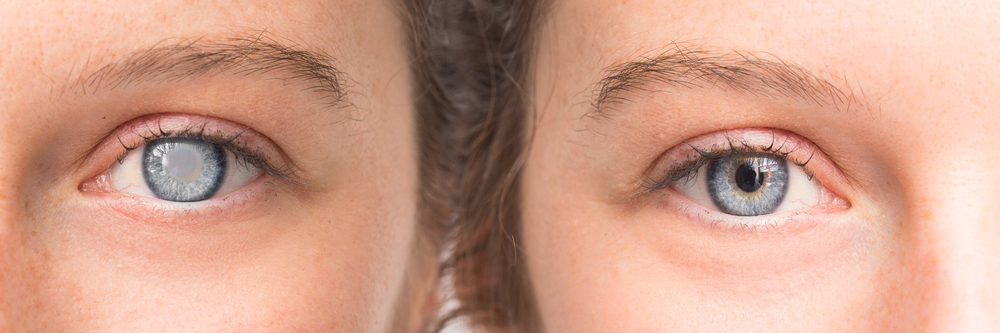
Cataracts are a problem with the lens at the front of the eye. Normally this lens is transparent. But with advancing age or exposure to harsh conditions (like UV Light or welding equipment), this lens ceases to be clear. The proteins in the lens material clump together and the lens becomes increasingly cloudy.
Cataracts will develop gradually, perhaps unnoticeable. At first, the vision will make the external world look slightly yellow, then brown. As the condition grows worse the vision will become increasingly unclear, especially in dim light.
As cataracts develop slowly, they tend to initially go unnoticed. Often only the peripheral eyesight is blurred; most people find they can still function at this stage. But the eyesight will steadily continue to decline until the individual finds they cannot easily function, and will be prone to accidents.
Some situations significantly increase the risk of cataracts
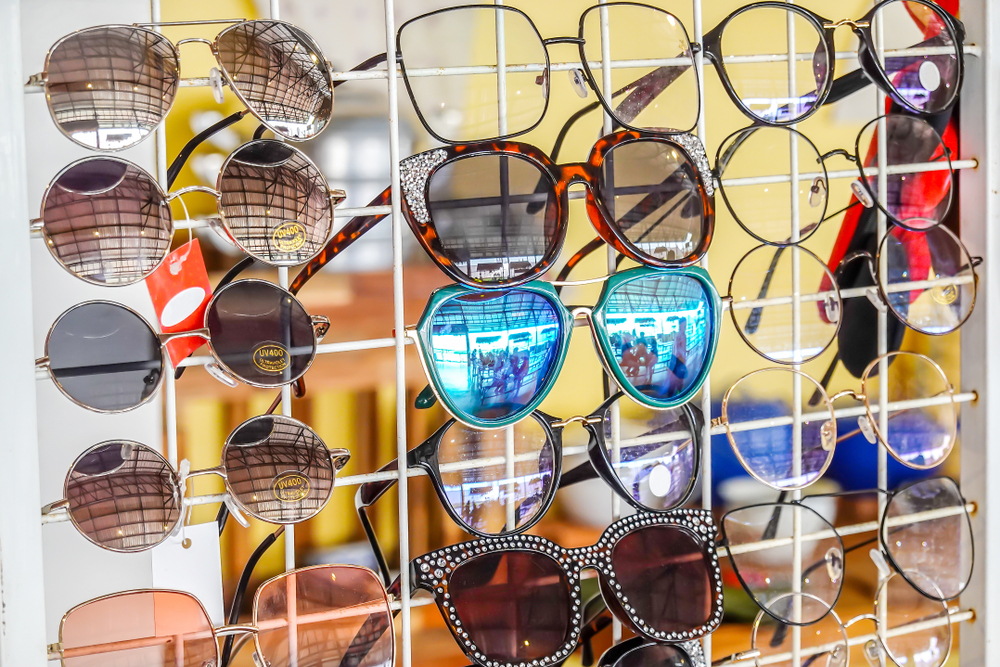
- Bright Sunlight over many years. Quality sunglasses will prevent this.
- Smoking
- High blood sugar
- Diabetes
- Using steroids
- exposure to radiation
- Long-term heat (infrared light)
- Welding without eye protection (UV light and heat)
Some Common symptoms of cataracts:
- Bright lights seem very glary.
- Halos appear around lights
- You keep needing new glasses.
- Everything appears slightly yellow or light brown.
- Double vision, from light diffraction through the damaged eye lens.
Surgery can remove the cataract lens and replace it with an artificial lens. This procedure has a high success and reasonably quick recovery time. Patients find that they are more sensitive to UV light after having their cataracts removed.
Visit our optometrist in Sydney CBD
Cataracts become common as we age. But preventative measures and regular eye exams can reduce the risk, or surgery can remove the problem.